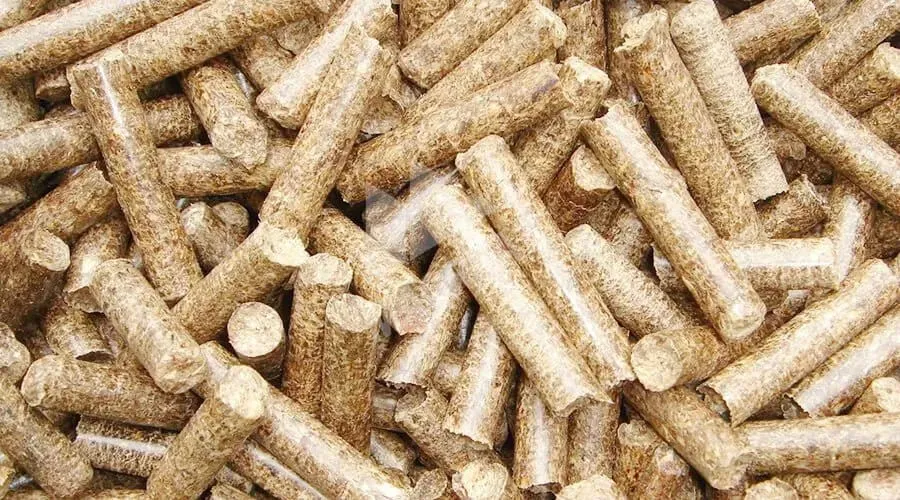
Palm EFB Pellet Production Line
Turn palm oil waste into energy
Overview
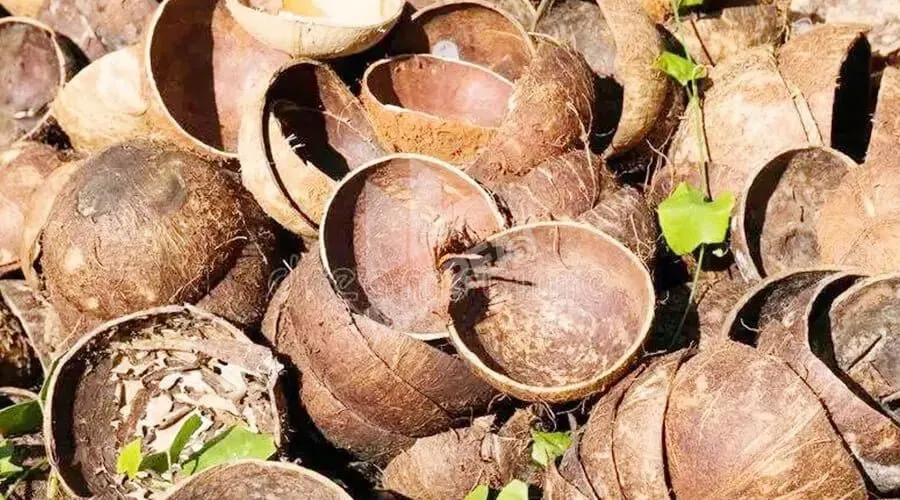
The empty fruit bunches from the residues and waste produced in the palm oil extraction process can be used as a good raw material for solid biomass fuel. As long as the moisture meets the requirements, the EFB can be directly pressed into cylindrical particles with a pelletizer.
Key Features
- Crushing: size reduction to 30-100mm
- Pulverizing: twice-grinding for palm fiber
- Drying: moisture to 10-15%
- Pelletizing: produce 6/8/10mm pellets
- High moisture tolerance
- Realize reuse of waste materials
Granulation Process
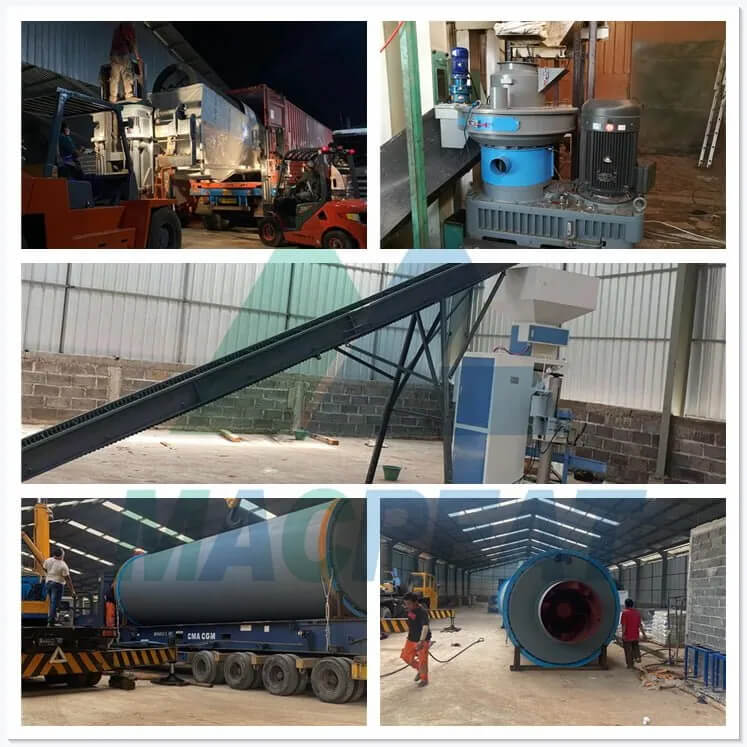
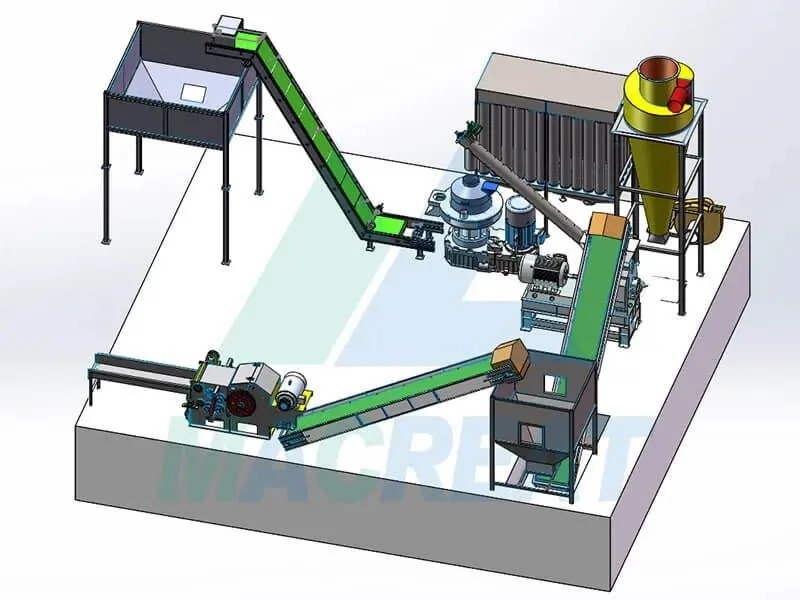
Palm EFB → Shredder (30-100mm) → Hammer Mill (twice grinding) → Dryer (10-15% moisture) → Pellet Machine → Cooler → Packing
Crushing Section
Production Process
First size reduction, turning the huge chunks of the EFB chips into within 30-100mm (L*W). The capacity won't be affected by the moisture content.
Pulverizing Section
Production Process
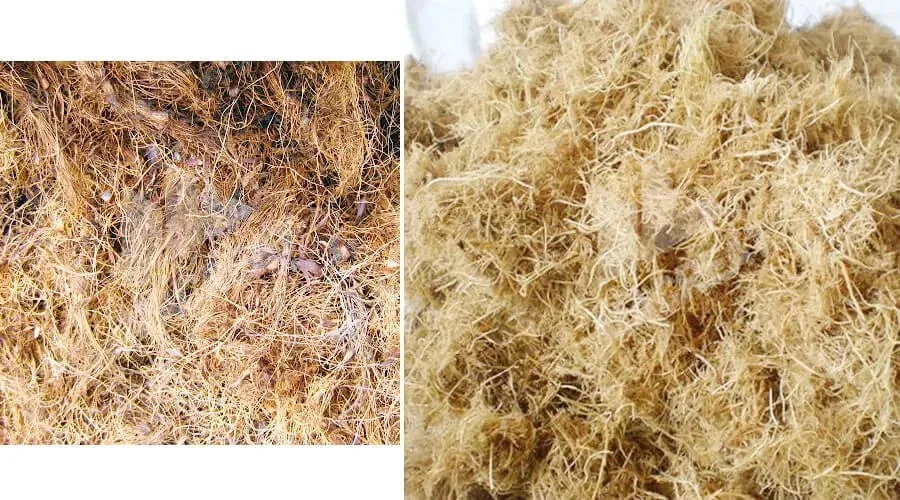
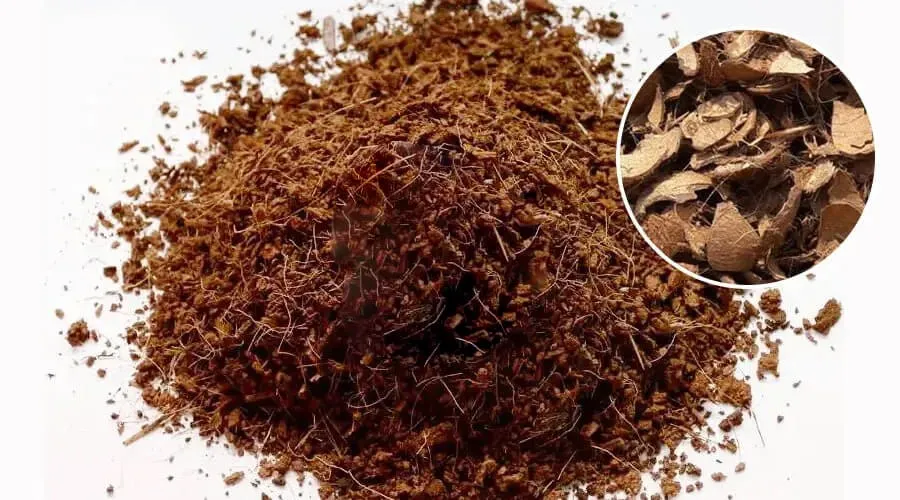
No matter what moisture condition the materials are, Macreat suggest that better apply twice-grinding for processing palm EFB. Palm fiber has extremely high toughness, it will become silky after the first pulverization, and can reach the standard only after the second pulverization.
Drying Section
Production Process
To produce pellets it is important to reduce the moisture into 10-15%, thus after reducing the size of all materials, they need to be dehydrated by a dryer. The capacity could be strictly affected by the moisture content.
Pelleting Section
Production Process
The full process is a complete physical change. By the spinning of the main shaft, it drives the rollers of the pellet mill to push the materials into the trumpet gaped holes of the pellet mill ring die, and the materials are firmly compressed into shape. There are no any chemical adheres are applied at all.